DOĞADA BİR MOLA
TERMS OF PARTICIPATION, SAFETY AND INFORMATION FOR OUTDOOR SPORTS ACTIVITIES
TÜRSAB Group A Travel Agency – Licence No.: A-18095
Website: nosnos.app
Document: DBM-KGK-001-EN
Version: 1.0 – 11 October 2026
ARTICLE 1 – PURPOSE AND SCOPE
This document has been prepared to inform participants in nature walks, trekking, exploratory hikes, camping activities and similar outdoor activities organised by Doğada Bir Mola; to promote activity safety; to clarify participants' responsibilities; and to ensure the orderly conduct of activities.
Activities are conducted in accordance with the legislation of the Republic of Türkiye in force, decisions of competent public authorities, applicable access and permit requirements for the areas concerned, and any relevant sports federation rules applicable to the nature of the activity.
These terms supplement activity-specific descriptions and applicable consumer contracts. Mandatory provisions of law take precedence.
ARTICLE 2 – NATURE OF THE ACTIVITY
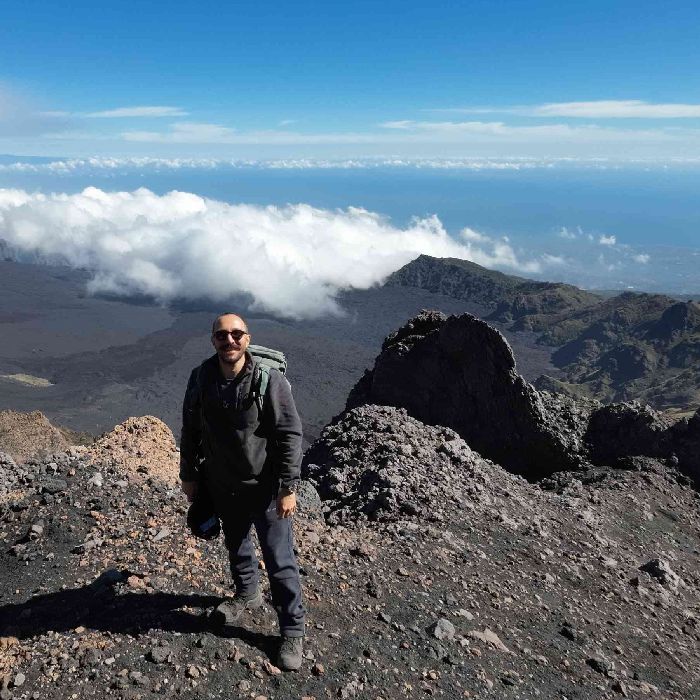
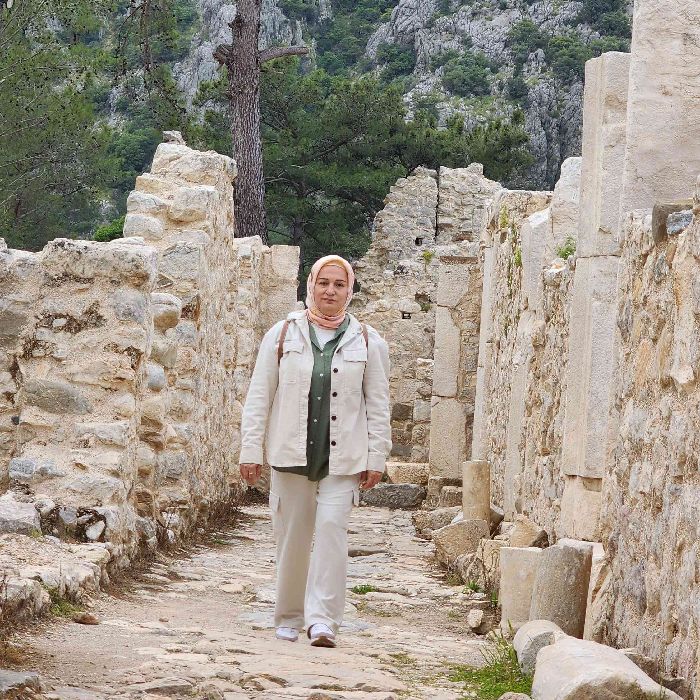
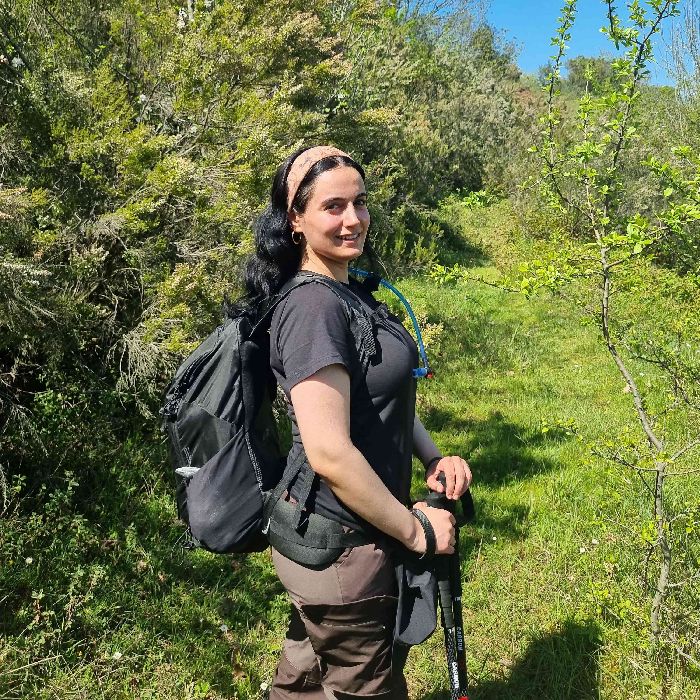
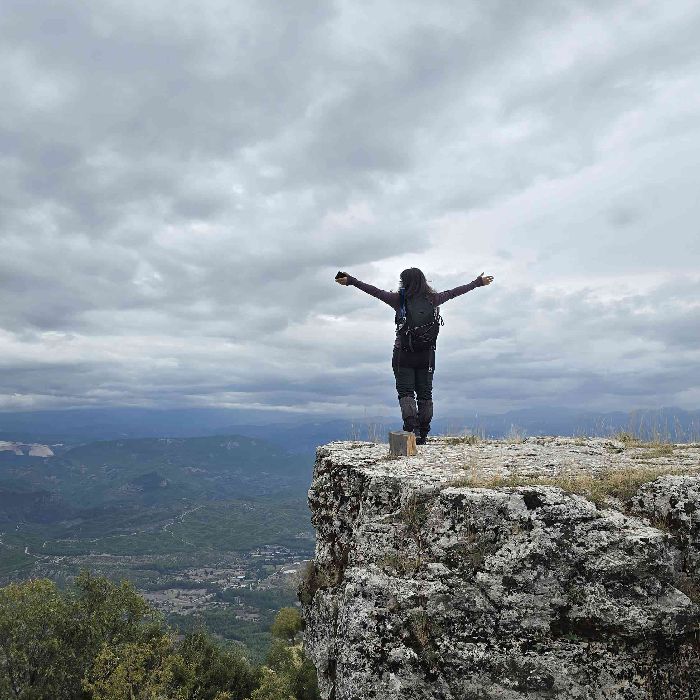
Walks advertised by Doğada Bir Mola as outdoor sports activities may involve physical and environmental conditions different from those of conventional city sightseeing or cultural tours.
Depending on the activity, participants may travel along natural trails, forest roads, stony or rocky terrain, muddy or slippery passages, and steep ascents and descents.
Some activities take place on predetermined, familiar routes; others follow exploratory routes.
The sporting nature of an activity does not remove the organiser's legal obligations or its obligation to provide the advertised services.
ARTICLE 3 – OFFICIAL PERMITS AND DECISIONS OF COMPETENT AUTHORITIES
Activities take place subject to obtaining any permits required for the relevant area and activity and complying with official restrictions in force.
Compliance is mandatory with prohibitions and restrictions imposed by governorates, district governorates, relevant ministries, forestry authorities, nature conservation and national parks departments, or other competent authorities.
Where an activity is conducted within a federation framework, applicable decisions and instructions of the relevant federation are taken into account.
An activity may not take place if the required permits cannot be obtained, entry to the area is prohibited, or competent authorities issue a decision preventing the activity.
In such circumstances, participants will be informed as soon as reasonably possible. The applicable contract and mandatory consumer protection legislation govern changes to dates, routes or programmes, cancellations and refunds.
ARTICLE 4 – RISKS OF THE NATURAL ENVIRONMENT
Outdoor sports involve risks that cannot be entirely eliminated, even when all precautions are taken.
Such risks may include:
- Slips, falls, sprains and injuries
- Falling rocks, unstable ground and landslides
- Thorny plants, dense undergrowth and forest passages
- Insect stings, tick exposure and encounters with animals
- Sudden weather changes, lightning, fog and strong winds
- Heatstroke, dehydration, exposure to cold and hypothermia
- Physical fatigue, muscle strain and loss of balance
- Communication outages and delays in emergency assistance
- Trail conditions differing from expectations
Participants should assess the advertised nature of the activity and its reasonably foreseeable risks before registering.
A participant's awareness of risks does not release the organiser from liability for wrongful or negligent conduct for which it is legally responsible.
ARTICLE 5 – HEALTH AND PHYSICAL FITNESS
Participants are responsible for assessing their own physical suitability in light of the distance, elevation gain, duration, terrain and difficulty level stated in the activity description.
People with cardiovascular disease, uncontrolled blood pressure, respiratory conditions, serious orthopaedic problems, balance disorders or other health conditions that may pose a danger during physical exertion are advised to seek medical advice before participating.
Having a particular medical condition does not, in itself, mean that participation in every activity is prohibited. Suitability is assessed with regard to the activity's characteristics and individual risks.
Participants should disclose important health information that may affect safe participation or emergency treatment to the organisation through the designated secure reporting method.
Where necessary and proportionate for safety, the organisation may request further assessment or a medical fitness certificate.
A participant experiencing chest pain, severe shortness of breath, a feeling of faintness, pronounced dizziness or unusual physical distress during an activity must immediately inform the activity leader and stop exertion.
ARTICLE 6 – DIFFICULTY LEVEL AND PARTICIPATION REQUIREMENTS
Wherever possible, the following information is published in advance for each activity:
- Estimated walking distance and duration
- Total ascent and descent
- Technical and physical difficulty level of the route
- Terrain and passage characteristics
- Expected weather and seasonal conditions
- Required personal equipment
- Prior experience or training requirements
Participation in activities requiring advanced technical skills, specialised equipment, training or specific experience is subject to the objective eligibility requirements announced for that activity.
Where concrete and reasonable safety grounds exist, the activity leader may decide that a participant should not continue on a particular section. In such cases, a safe return or evacuation plan will be implemented.
ARTICLE 7 – CLOTHING AND EQUIPMENT
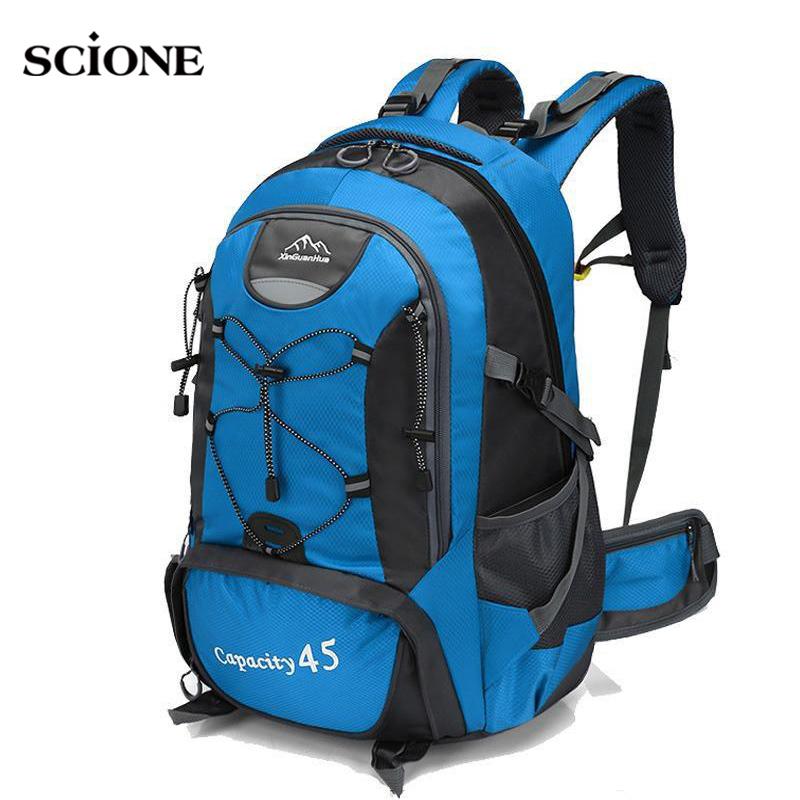
Participants must arrive with footwear, clothing and personal equipment appropriate to the activity conditions.
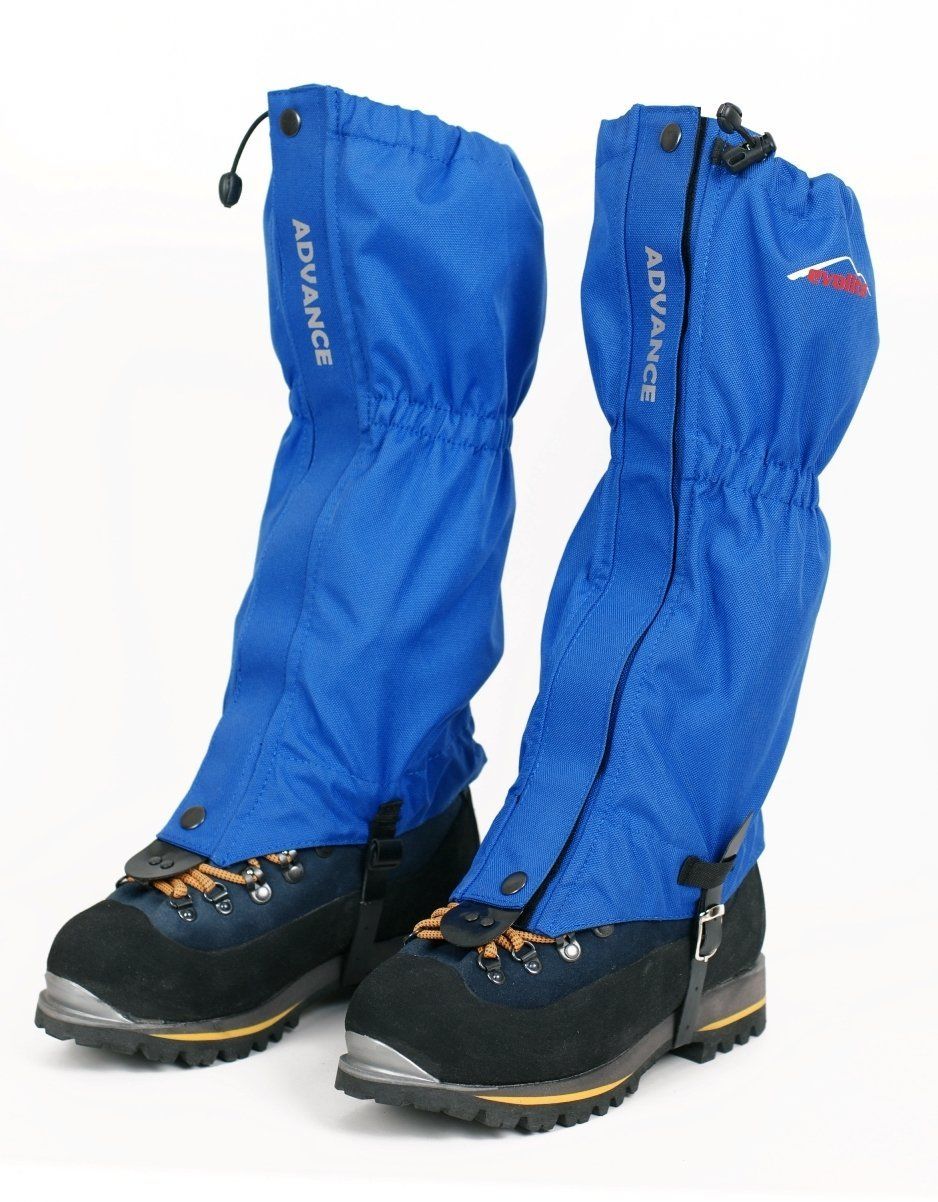
Durable, full-length hiking trousers are recommended for forest passages and areas with thorny plants.
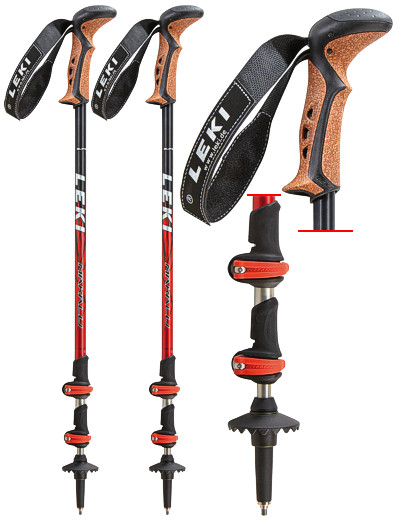
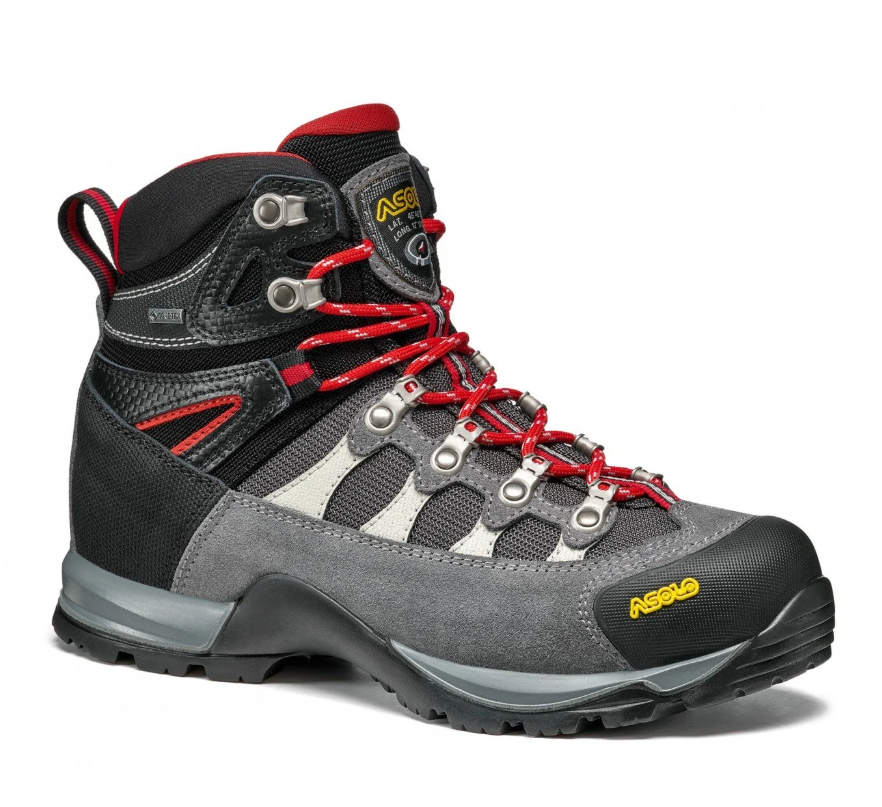
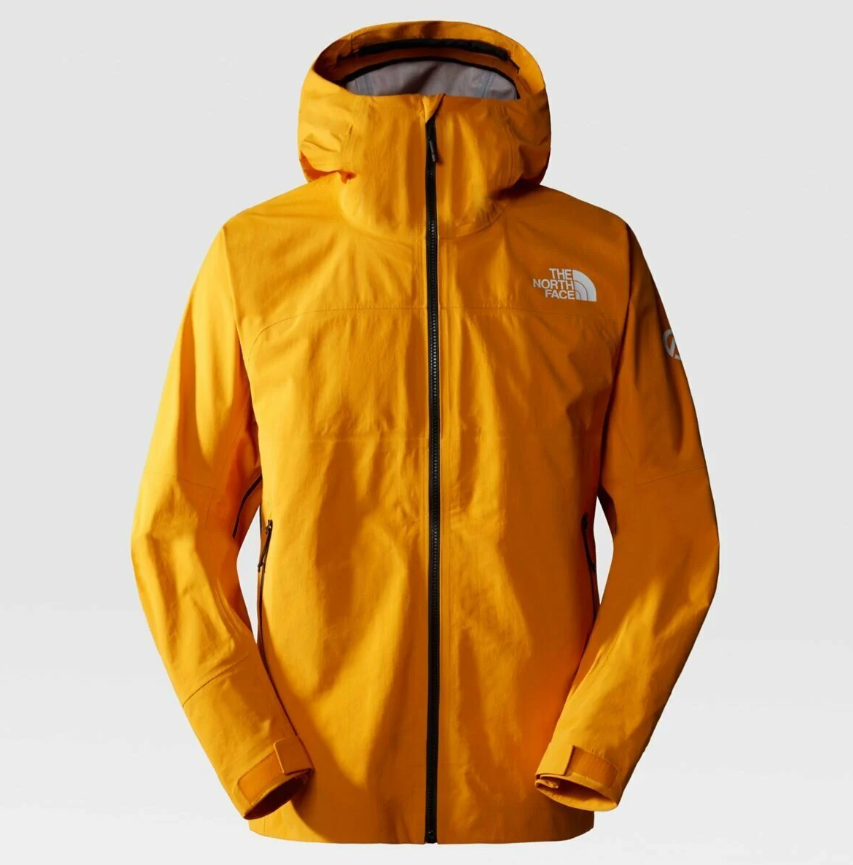
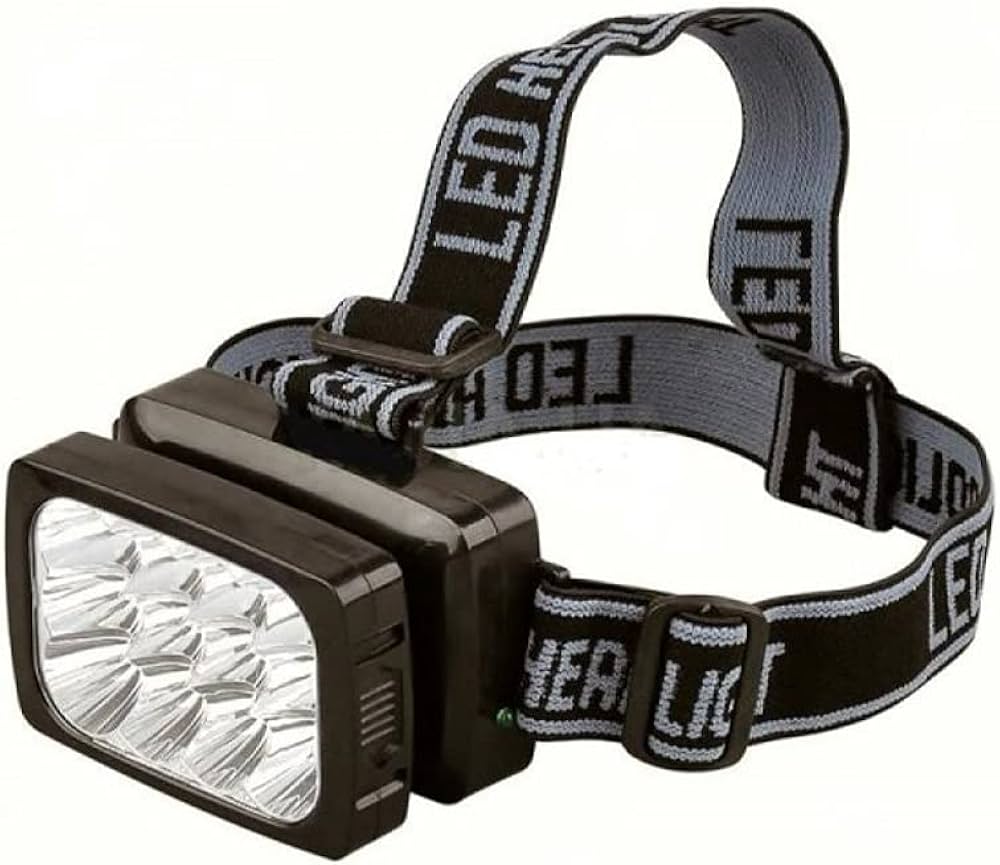
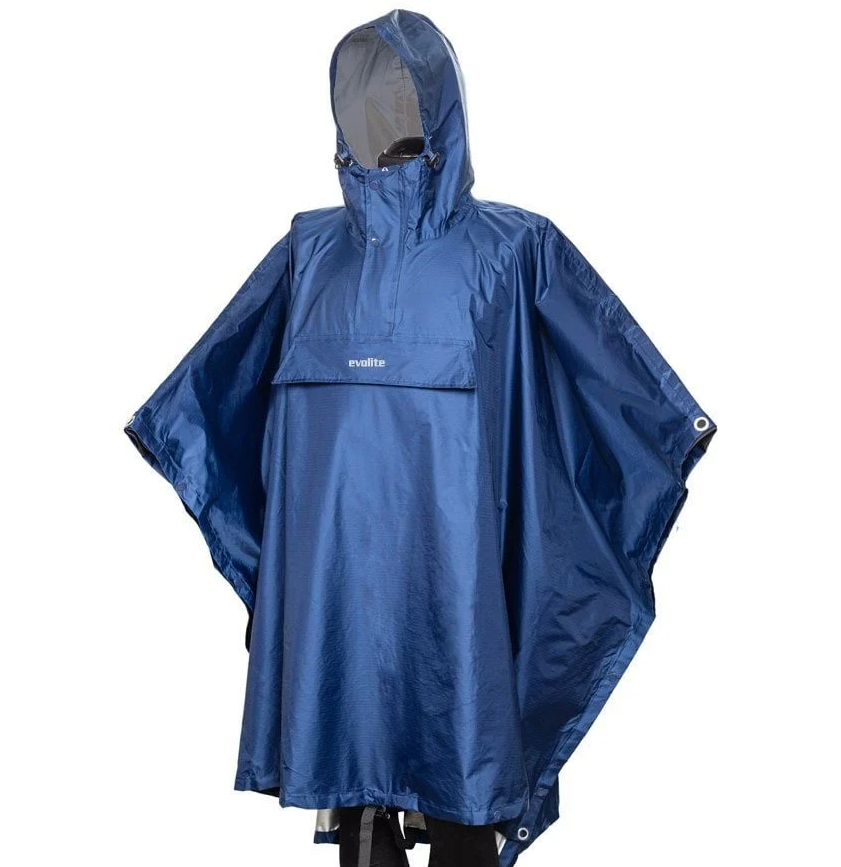
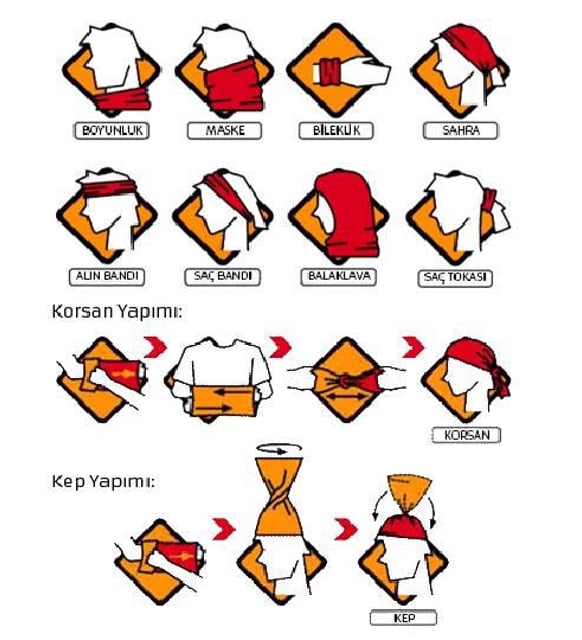
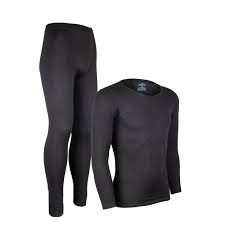
Depending on the route, hiking boots offering ankle support or suitable sole traction, a rain jacket, seasonally appropriate layered clothing, a hat, gloves, a headlamp and similar equipment may be required.
Participants must carry any equipment specified as mandatory in the activity announcement.
If critical safety equipment is missing, the activity leader may, after explaining the reasons, decide that the participant should not start the relevant route.
ARTICLE 8 – WATER, FOOD AND PERSONAL NEEDS
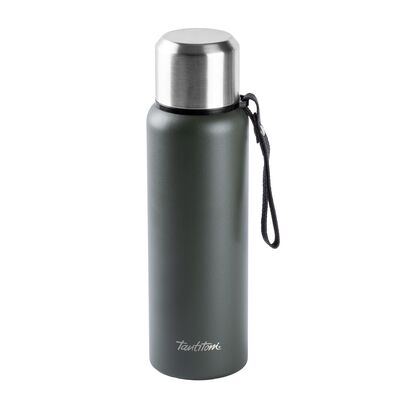
Participants must carry drinking water and food in quantities appropriate to the duration, season and level of exertion of the activity.
Natural water sources must not be assumed to be available or safe to drink.
Participants with special dietary requirements must make arrangements in advance.
Participants are responsible for obtaining and carrying their regularly prescribed personal medication. The organisation's general first-aid supplies are not a substitute for personal medication.
ARTICLE 9 – GROUP ORGANISATION AND HIKING DISCIPLINE
Participants must comply with the safety rules explained before the activity, the group's arrangements and the activity leader's reasonable safety instructions.
During group hikes:
- The safe walking formation specified by the leader must be maintained.
- Participants must not leave the group without informing the team.
- Unplanned shortcuts must not be taken.
- Actions creating unnecessary risks must be avoided.
- The group's arrangements for breaks and departure times must be respected.
- Fatigue, injury or illness must be reported immediately.
- The safety of other participants must not be endangered.
The activity leader sets the walking pace with due regard to route characteristics, group composition, weather conditions and safety needs.
No participant may be forced to maintain a pace that jeopardises their health or safety solely to keep to the schedule.
ARTICLE 10 – ALCOHOL AND SUBSTANCE USE
The use of alcohol, illicit drugs or substances that adversely affect perception, balance or judgement is prohibited throughout the activity.
Participants must not arrive under the influence of such substances.
Participants are advised to obtain adequate sleep before the activity, maintain hydration and avoid behaviour that could adversely affect physical performance.
Where a condition preventing safe participation is reasonably identified, a participant may be prevented from starting or continuing the activity. Safe transport and any necessary assistance will be considered in such circumstances.
ARTICLE 11 – AUTHORITY OF THE ACTIVITY LEADER
The activity leader may make operational decisions to protect participants' safety and ensure the orderly conduct of the activity.
In this capacity, the leader may:
- Change the route for safety reasons.
- Remove dangerous sections from the programme.
- Adjust the walking pace and break schedule.
- Decide to wait because of weather conditions.
- End the activity early.
- Initiate a safe return or evacuation where necessary.
- Contact relevant public authorities in an emergency.
These powers may not be exercised arbitrarily; decisions must be based on reasonable safety and organisational grounds.
Participants retain their statutory rights where changes affect essential elements of the advertised service.
ARTICLE 12 – EXPLORATORY ROUTES AND ROUTE CHANGES
In exploratory activities, some parts of the route may not have been walked beforehand or their current conditions may not have been fully verified.
Such activities may involve lost or indistinct trails, denser vegetation, unexpected passages and the need for alternative routes.
The exploratory nature of an activity is expressly stated in its announcement.
If the activity leader determines that risks exceed acceptable limits, the leader will stop progress and decide on a safer alternative route or a return.
The exploratory nature of an activity does not justify entering unknown hazards without preparation or neglecting required permits and preliminary assessments.
ARTICLE 13 – WEATHER CONDITIONS AND CANCELLATION
An activity may be postponed, modified or cancelled due to heavy rainfall, storms, lightning, extreme heat, dense fog, snow, ice, flooding, forest fire risk or other serious hazards.
Decisions are made in light of current official warnings, local conditions, route characteristics and safety assessments.
The fact that an activity has started does not mean that it must be completed in dangerous conditions.
Applicable consumer protection legislation and contractual provisions govern programme changes and cancellations.
ARTICLE 14 – EMERGENCIES AND FIRST AID
Protecting human life and safety takes priority in emergencies.
Depending on the incident, the activity leader or designated team may stop the hike, secure the area, provide first aid within the limits of their competence, and contact the 112 Emergency Call Centre.
Participants must follow emergency safety instructions and avoid conduct that could endanger rescue or evacuation operations.
Terrain conditions may delay the arrival of professional assistance.
The organiser is responsible for making emergency preparations appropriate to the activity's risk level and establishing the necessary communication and response plans.
ARTICLE 15 – PROTECTION OF NATURE
Participants must respect natural habitats, vegetation, wildlife and other visitors.
Littering, damaging plants, feeding or disturbing wild animals, lighting fires in unauthorised areas, and conduct harmful to the environment are prohibited.
Special rules issued by the relevant authorities apply in protected areas.
Areas used for activities must be left clean and preserved in their natural state as far as possible.
ARTICLE 16 – RESPECT FOR OTHER PARTICIPANTS
A safe, inclusive and respectful group environment is essential during activities.
Harassment, threats, violence, discrimination, persistent disturbance and conduct endangering the safety of other participants are not permitted.
In cases of serious violations, appropriate safety measures may be taken after assessing the circumstances. If a participant must leave the activity, arrangements will also be made for their safe return.
ARTICLE 17 – CHILDREN AND SPECIAL PARTICIPATION CONDITIONS
Activities open to children are identified separately in the activity announcement.
Age limits, participation by a parent or legal guardian, required permissions and supervision arrangements are determined according to the nature of the activity.
Required consent from legal guardians is obtained for participants who are minors.
Children may be refused participation in activities not advertised as suitable for children or requiring high levels of physical or technical competence.
ARTICLE 18 – PHOTOGRAPHS AND VIDEO RECORDINGS
Photographs and videos may be taken during activities for personal purposes or to document the organisation's activities.
The processing and publication of identifiable images for promotional, advertising or social media purposes are assessed under applicable personal data protection laws and personality rights.
Where required, an appropriate legal basis or explicit consent is obtained separately.
Refusal to consent to promotional use of one's image does not normally prevent participation in the activity.
ARTICLE 19 – INSURANCE AND COVERAGE
Any mandatory insurance requirements applicable to the type of activity are fulfilled.
Where optional personal accident, travel health, search-and-rescue or other additional insurance coverage is provided, its scope is stated in the activity description or relevant documents.
Not every insurance policy covers all risks associated with outdoor sports.
Participants should review the coverage and exclusions of the insurance available to them.
The existence or absence of insurance does not remove the organiser's statutory responsibilities.
ARTICLE 20 – RESERVATIONS, CHANGES AND CANCELLATIONS
Participation fees, included services, reservation terms, and cancellation and refund conditions are specified on the relevant activity page and in the applicable contract.
Participants' rights under consumer protection legislation in force are preserved if the activity programme is changed, postponed or cancelled.
Where a participant is excluded from a section for safety reasons or leaves the activity, fees and services are assessed in light of the specific circumstances and applicable law.
No provision may be interpreted as removing a consumer's mandatory statutory rights.
ARTICLE 21 – PROTECTION OF PERSONAL DATA
Participants' identity, contact and reservation details and, where necessary, health or emergency information are processed in accordance with Türkiye's Personal Data Protection Law No. 6698 (KVKK).
Health information is treated as special-category personal data and processed subject to the applicable legal requirements and additional security measures.
The purposes and legal bases of processing, retention periods, data transfers and data subject rights are explained in a separate KVKK privacy notice.
Where explicit consent is required, it is obtained separately from acknowledgement of the privacy notice and acceptance of participation terms.
ARTICLE 22 – PARTICIPANT ACKNOWLEDGEMENT AND ACCEPTANCE
By registering, participants declare that they have read and considered the description of the activity, its physical and technical requirements, foreseeable natural-environment risks, safety rules and these participation terms.
Participants agree to take reasonable care of their own health and safety and that of others, comply with reasonable safety instructions, and report significant hazards encountered to the activity team.
This acknowledgement does not constitute a waiver of the organiser's legal obligations or of the participant's consumer rights.
DOĞADA BİR MOLA
TÜRSAB Group A Travel Agency – A-18095
nosnos.app
This text provides general participation and safety information. It does not replace activity-specific contracts, mandatory disclosures or permit documents.

 Ebru D.
 Serdar I.
 Organizer
Cemre D.S.K.
Verified profile
Trusted organization
İstanbul
 Activity leader
Özer T.
Verified profile
Trusted user
 Hidden Member
 Esra Ö.
 Zeynep S.
Verified profile
Trusted user
 Sevda D.
Verified profile
Trusted user
 Mehmet E.
 Özlem E.
 Özlem T.
 Mukaddes A.
 İstemi G.
 Sema B.
 Ayşın Kısa
Sema B.’s guest
 Leyla D.
Verified profile
Trusted user
 Hakan Y.
Verified profile
Trusted user
 Volkan Ş.
 Ilknur T.
 Tuğba D.